
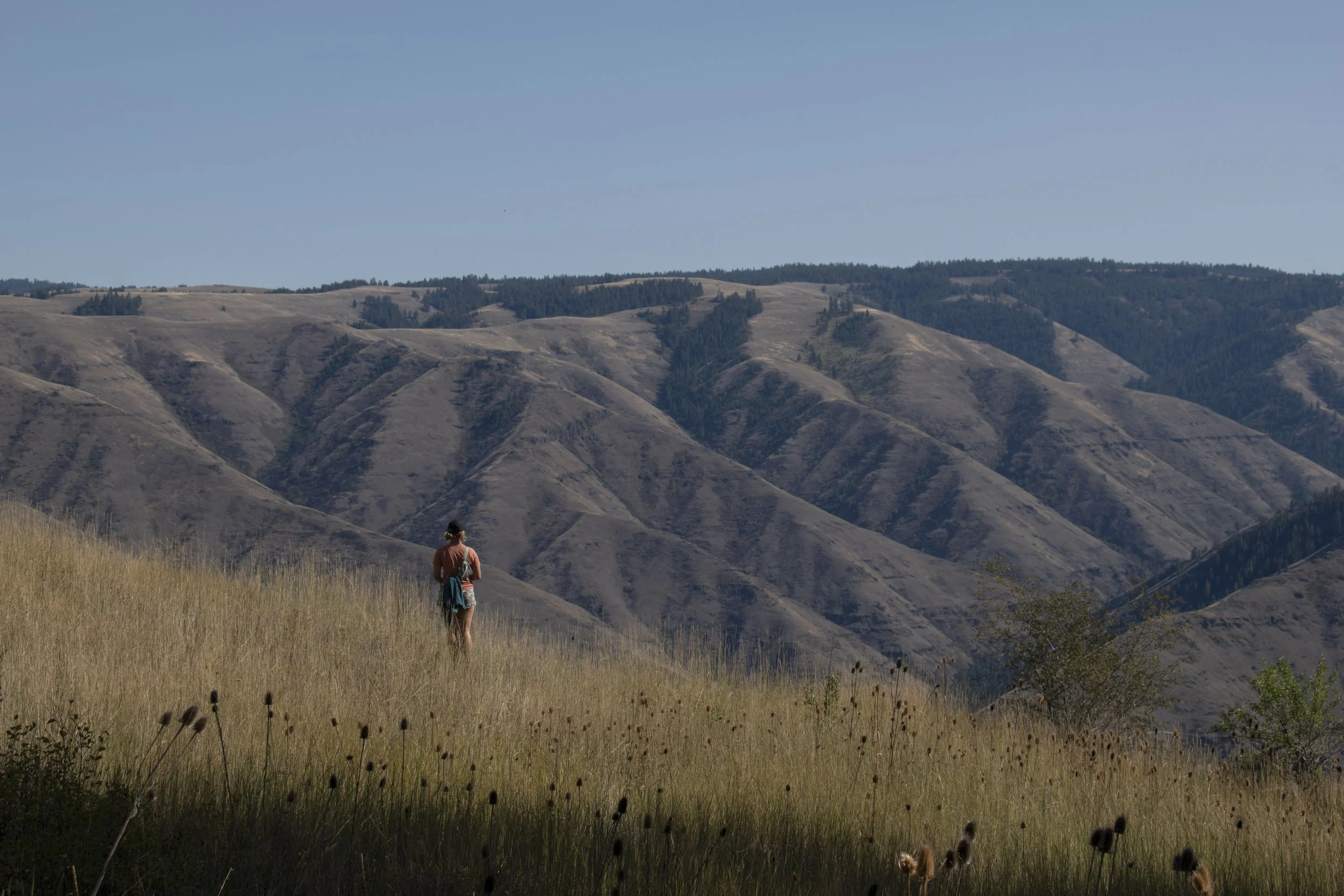
I stand below an ancient apple tree, twisted and gnarled by time. This tree is just one in a row of apple and pear trees, long since deserted by their former owners, overlooking a remote area of Joseph Canyon in Northeastern Oregon. As I reach up and grab an apple from one of the tree’s low-hanging branches, I imagine who planted it. There was likely a homestead here, with years of neglect rotting all the buildings away to nothing. Now, the only trace of this past human inhabitation is the orchard. This story of rural abandonment is a common one in the west. The prosperity of our country was created, in part, by extractive industries which rural communities stimulated. They are a defining aspect of our nation's culture, history, and society. However, for various reasons, our country turned on many of these towns, leaving them without a future.
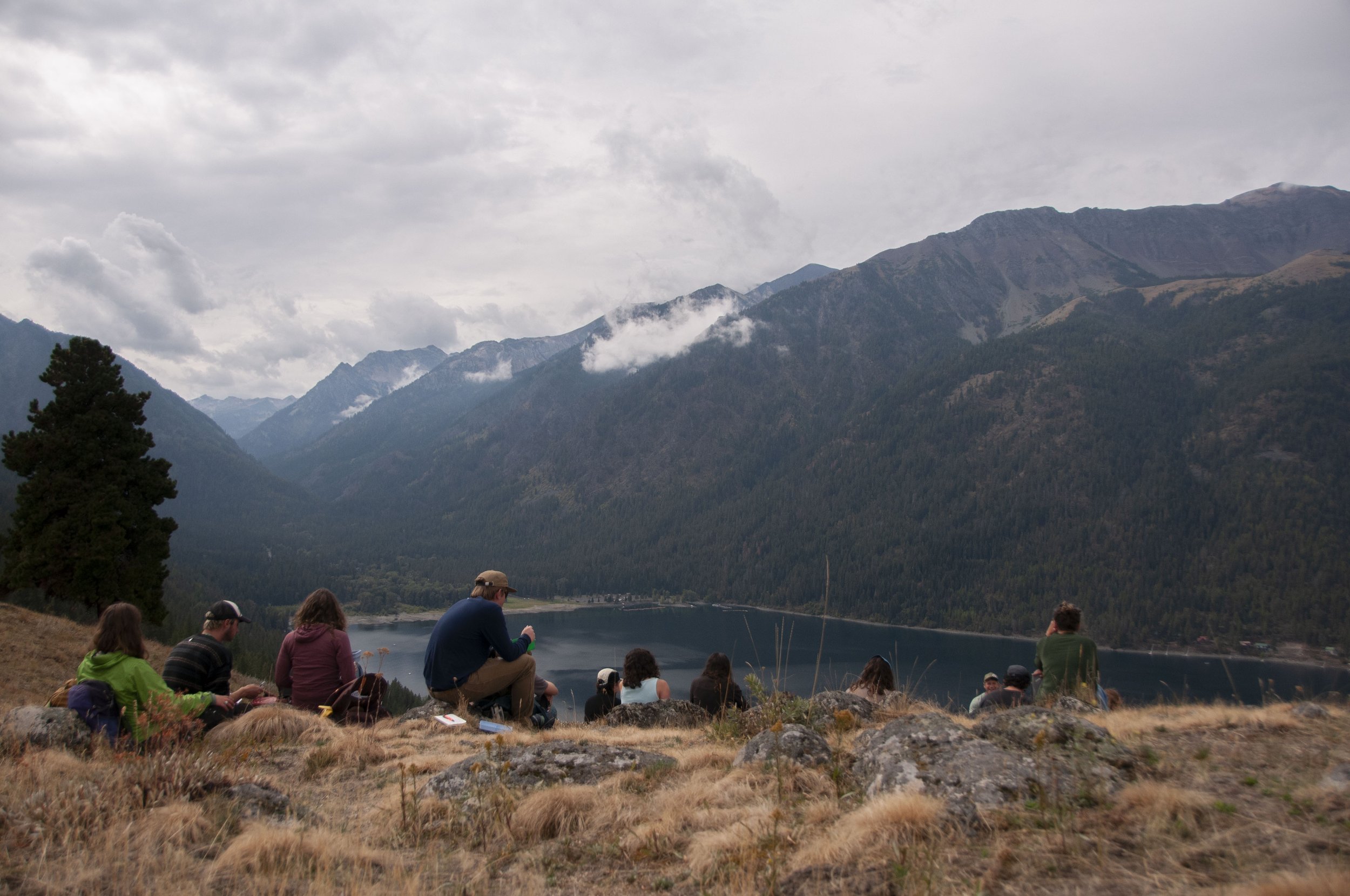
We have seen many examples of economically depressed towns during our travels, but one still bearing the scars of being left behind is Joseph, Oregon. As we walk up an old lateral moraine, once the side of a pleistocene glacier, and look down into the picturesque Wallowa Lake, Nils Christoffersen, the director of Wallowa Resources, gives us a mischievous, yet iconic, smile. For decades, Joseph was at the center of a lumber industry which felled trees from nearby national forests and processed them in one of the town’s three mills. However, a variety of federal actions which created wilderness areas and further protected salmon completely destroyed the local lumber industry. Nils explains that, because of the collapse of their economy, the county government was no longer able to fund five days of school, cutting Friday from the schedule. Essentially, the federal government decided to protect Joseph’s environment without also creating some alternative economy for the town. To Nils, Joseph’s economic decline is only reversible if we, “quit raising money purely for protecting things.” Nils argues that the future of Joseph lies in a stewardship economy; one based on creating family-paying jobs which support ecosystems through actions like fire management, selective harvesting, and alternative grazing methods.
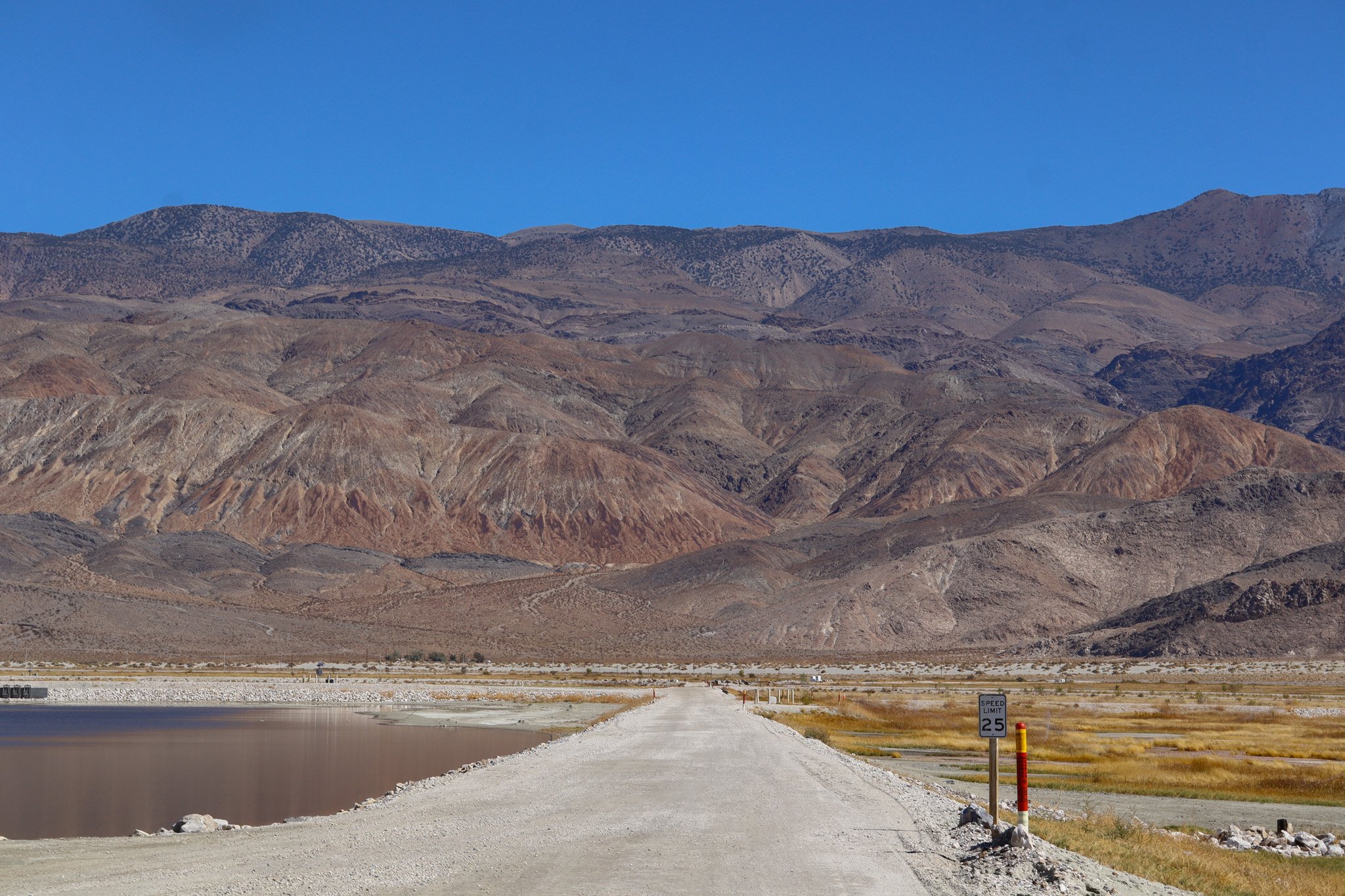
Preservation without consideration for its economic consequences is not the only way our society has sacrificed rural communities. Driving along the eastern side of the Sierra Nevada in California, the sheer slopes of the mountains, recently colored by a fine coating of early fall snow, extend for hundreds of miles across the skyline. This snowpack will ultimately drop massive amounts of water thousands of feet into the bottoms of arid valleys. Owens Lake, one of the many saline lakes formed at the base of these mountains, harbored a diverse ecosystem and several small towns. However, in 1913, the Los Angeles Department of Water and Power (LADWP) began diverting the rivers in the valley southward to facilitate the growth of LA, causing the lake to totally dry up. Walking along the exposed lakebed is similar to wandering an alien landscape. The endless scene of white, salt-filled dust is only punctuated by signs of humanity’s efforts to deal with this environmental catastrophe. When windy, dust would kick up from the lakebed, spreading like poison across the valley and creating the single greatest source of particulate air pollution in North America. This dust caused wheezing, coughing, asthma, sore throats, and long-term carcinogenic effects to the residents of nearby towns like Lone Pine. In 2000, a lawsuit forced Los Angeles to deal with the air pollution they had inadvertently caused through a variety of different strategies, including covering the lakebed in gravel, planting and managing saltwater crops, and flooding periodically. This mitigation has been able to reduce regional air pollution, preventing the ghost of the lake from continuing to haunt Lone Pine.
Rural towns have the right to exist. Furthermore, they have the right to access adequate education, quality health services, and reliable infrastructure. When we as a nation decided to eliminate rural job opportunities for the sake of environmental protection or cause substantial health issues within rural communities for the sake of a city’s water supply, we eliminated those rights. Our society has sent a message to communities like Lone Pine and Joseph that they are not worth saving, that they do not deserve to endure. We need to protect endangered species, and Los Angeles needs water, but with our help that doesn’t have to mean the destruction of these towns. Reflecting on my hour next to those long-forgotten apple trees on the ridge along Joseph Canyon, my curiosity about their origin turns to alarm. We as a nation have to begin considering rural communities; we have to start thinking about solutions for the problems they face like Nils Christofferson does, and we have to enact those solutions like in Owens Lake. If not, all of rural America will end up like that orchard—abandoned settlements hinting at a past long since forgotten.