Several feet down in the channel, water swirls and eddies, running against gravity. White, bubbly suds coat the top of the water, floating down the current, revealing the true force and speed of this once ephemeral wash now turned year-round river. While this water appears to have always run down these corridors, it is entirely composed of treated wastewater and urban runoff from the nearby city of Las Vegas where it then drains all the way to Lake Mead. Standing next to these murky waters of the Las Vegas Wash, I am reminded of the swift, yet shallow Rio Grande River in Albuquerque, over five-hundred miles away, loaded with sediment and agricultural runoff. I can’t help but feel as though water has lost all freedom in the West at the expense of societies built and grown around their subjugation and manipulation.
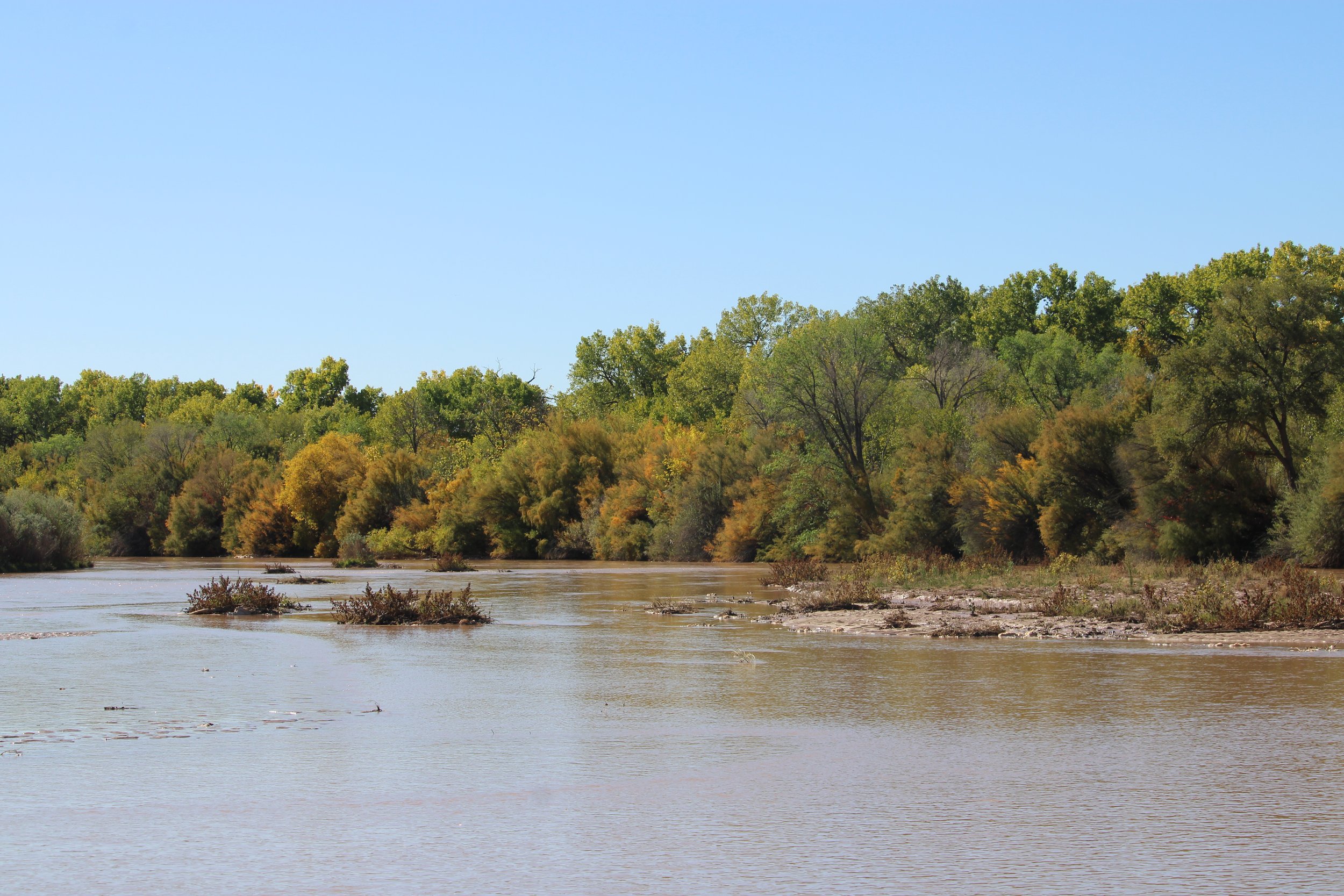
In desert ecosystems where water is a limited resource, every drop matters and how that water is used is critical. In Albuquerque, people have relied on the Rio Grande for time immemorial and have been diverting its water for just as long under an acequia, or canal, irrigation system. In establishing an entire city around the river, people had a reliable source of water, but this also came with inherent risks associated with unpredictable flows. In 1941, that risk became reality when the entire city of Albuquerque flooded resulting in massive destruction. To ensure the stability and survival of this city and to allow growth, Cochiti dam was constructed North of the city to reduce flooding. Additionally, the river was channelized, disrupting the historic wetlands ecosystem that once stretched across this land. While hailed as progress, this only solidified the continual need for intervention as new challenges inevitably rose. The same holds true for Las Vegas.
With three million people and growing, thousands of buildings, and hundreds of industries sprawling across the Las Vegas Valley, there is no water in sight. Once a small, quaint town with a readily available supply of water pouring straight out of the ground, Las Vegas’s reliance on groundwater could only support this population for so long and provided minimal room for growth. Luckily for Las Vegas, they also had three-hundred thousand acre-feet of Colorado River water waiting for them in Lake Mead behind the dominating, smooth gray wall of the Hoover Dam. They just needed a way to get that water to the people. Pumps and intake pipes were built to connect the three miles between Las Vegas and Lake Mead, without which this city would surely have become a relic of the past, another ghost town of the desert. And instead, while Albuquerque always had water running through her heart, we’ve now found ways to run her dry.
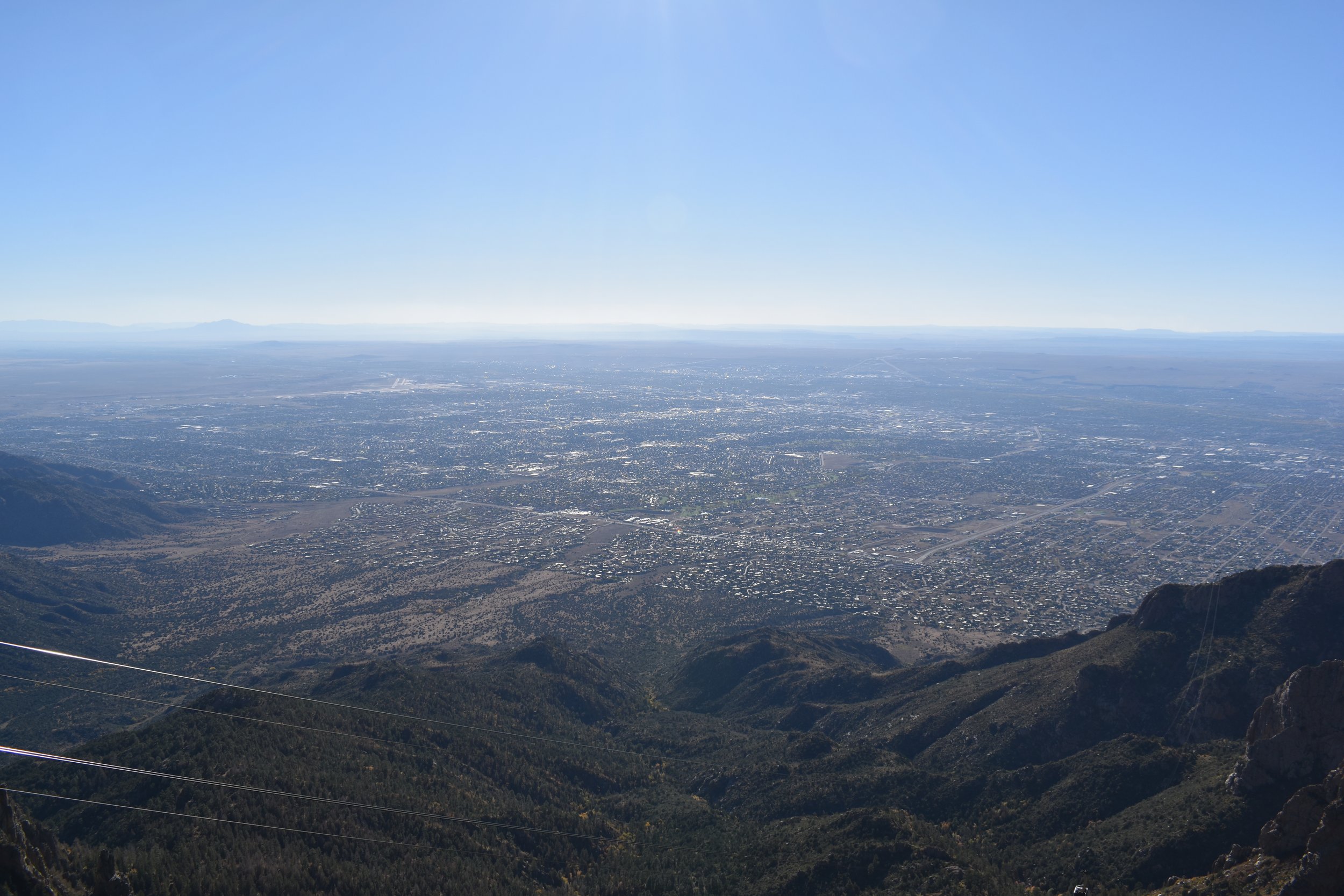
Altering the Rio Grande River allowed for the expansion of the city and established a more consistent water supply for farmers, but simultaneously led to the lowering of the water table and the groundwater. Like Las Vegas, as the population of Albuquerque grew, the strain on the aquifer did too and couldn’t support the growing population. Luckily for Albuquerque, they also had Colorado River water, the very same water Las Vegas depends on, that they could divert and pump into the ground all the way from the San Juan mountains, thirty-eight miles away. In manipulating their own river, they were forced to the extreme of taking water from a completely different water basin, one that forty million people rely on. At what point does the water run out? At what point do these cities stop growing? Albuquerque and Las Vegas are already acknowledging that growth can only be sustained for so long, for there is only so much water.
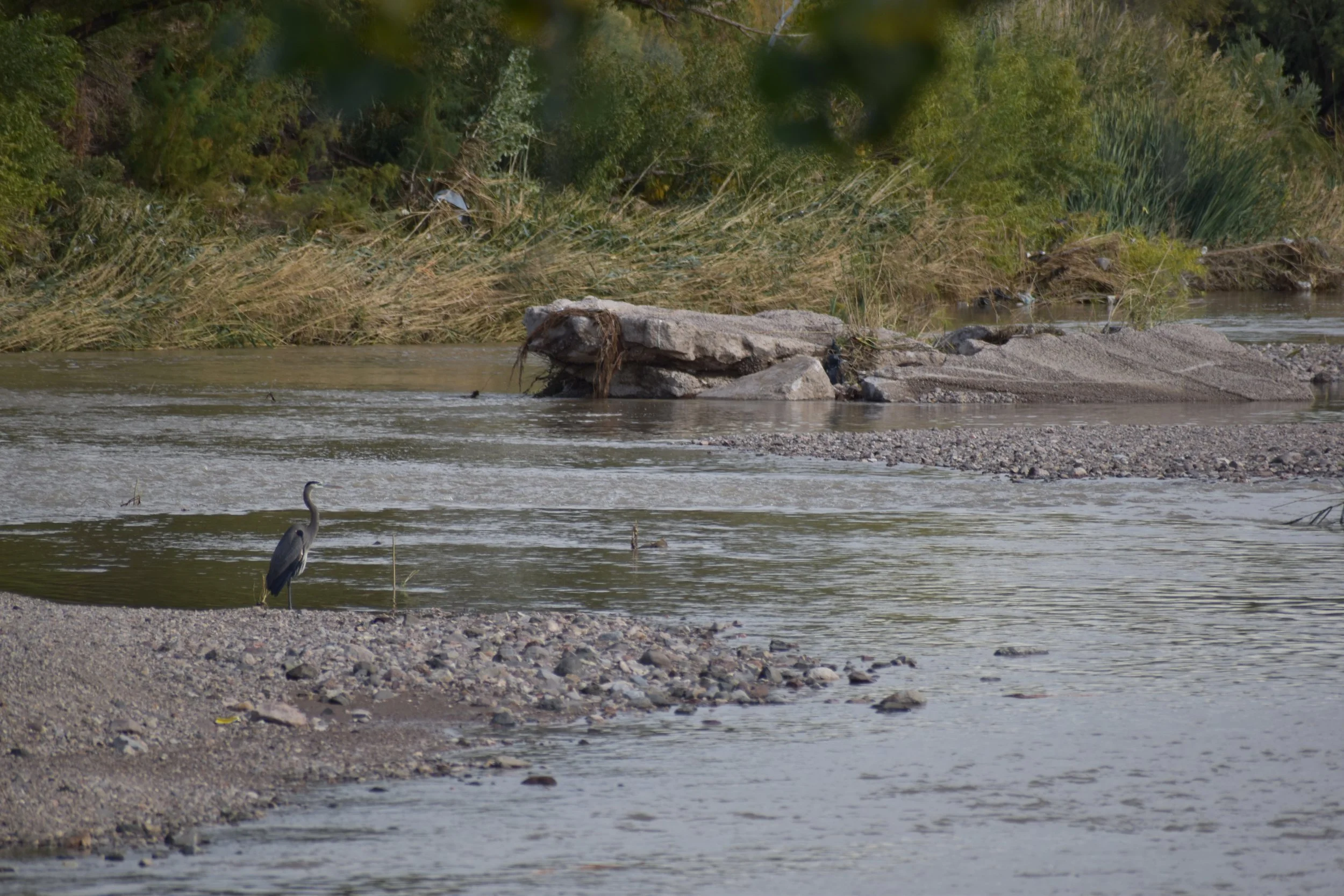
Today, Las Vegas is finding innovative ways to conserve and maximize their access to water, one of them being a credit return agreement with the state. For every acre foot of treated wastewater returned to Lake Mead via the Las Vegas Wash, the city gets back one acre foot for municipal use. This expands Southern Nevada’s total water supply to support an ever-growing population and developing community. For Albuquerque, water is scarce and only getting scarcer, but irrigators share in the struggle by distributing their water as evenly as possible. Sometimes that means everyone gets a little less and crops struggle. How long these communities can sustain growth is something they’re coming to confront, but there are people fighting every day for their communities to maintain access to this liquid life. Admitting defeat is not something we can afford to think about until there is truly no water left. Until then, these desert societies continue to survive, living with less, despite all odds.