
Sun beams burst through small holes in the hanging mat of moss, causing the yew to lean towards the forest floor. A few light beams point towards a mysterious mossy lump on the ground. Along this lump, ants file in a line, moving quickly in an early morning rush. A spider weaves its web along a small tree sprout popping out of the lump. Mushrooms are scattered, each of them holding droplets of water. A beetle meanders through lichen that is taller than its antennas. Within seconds, it’s gone as if entering a secret door. I tilt my head and it becomes clear that beneath the lump of moss is a log.
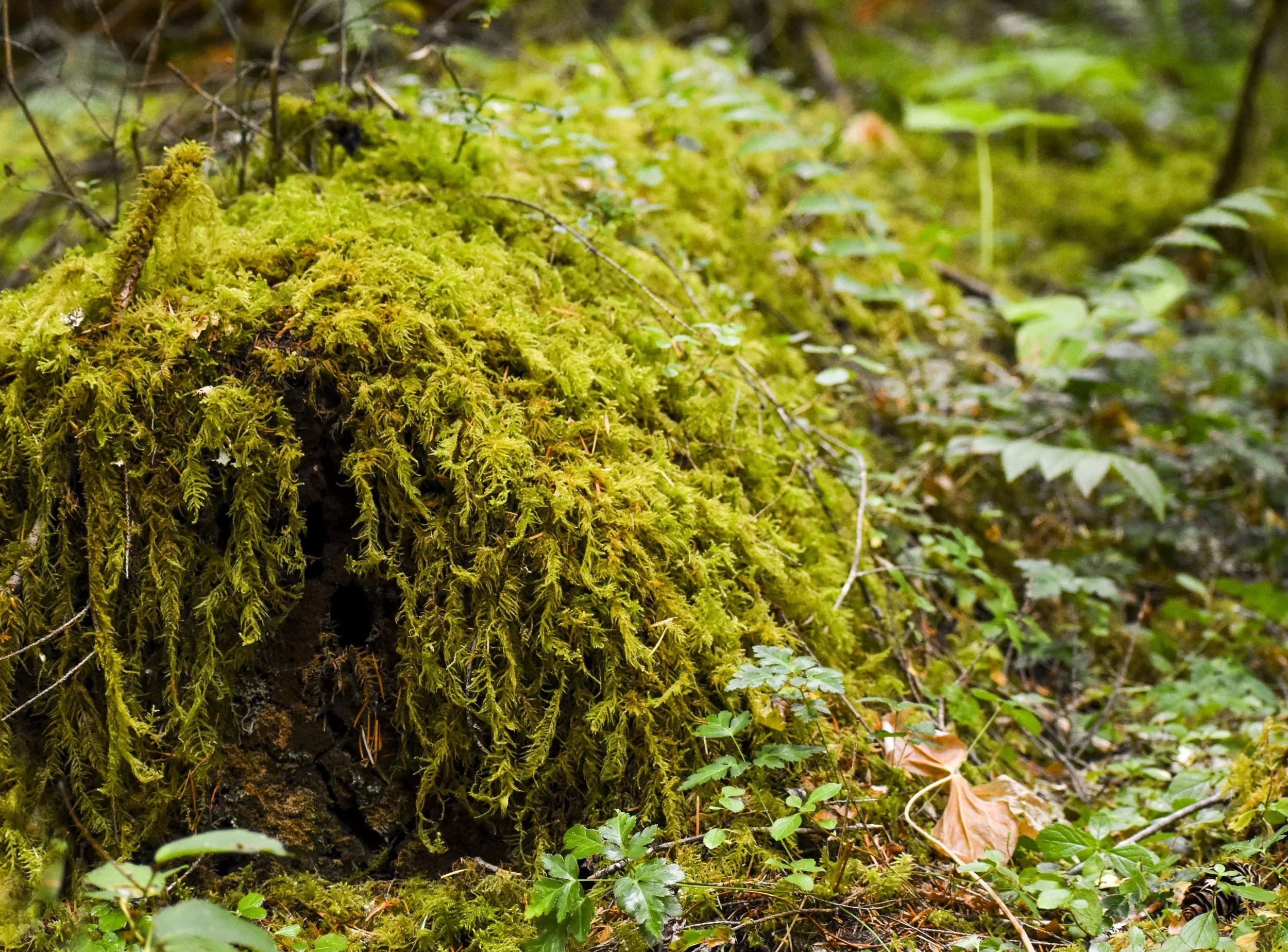
Birds chirping, leaves rustling, mosquitoes buzzing: this forest offers what feels like a peaceful silence to a human visitor. On the outside, it does just that, acting as a safe haven for many to recharge. This was exactly what I was reminded of when I was tasked with sitting silently in an old growth forest for one hour. My only purpose was to observe. I noticed the birds, spiders, and flies instantly, but it took time for me to notice the log, yet when I did, it sparked curiosity about what life it helped foster. Within my hour of observation, I watched how everything interacted with that log. I was so intrigued that when my timer went off, I stopped it and continued watching the ants file by.
With massive trees towering over me, it is easy to miss the entire world of life that exists on the forest floor. Old growth forests like the one at the HJ Andrews Experimental Forest fosters a highly diverse ecosystem. Our group met with Mark Schulze, the director of the Andrews Forest. Dressed in well loved brown pants and a dark red button up, he greeted us with a warm smile. As we followed him along the winding paths of the forest, he asked us to observe. When we regrouped, we shared our observations—and just like Mark had predicted, no one mentioned logs, the forgotten characters of the forest.
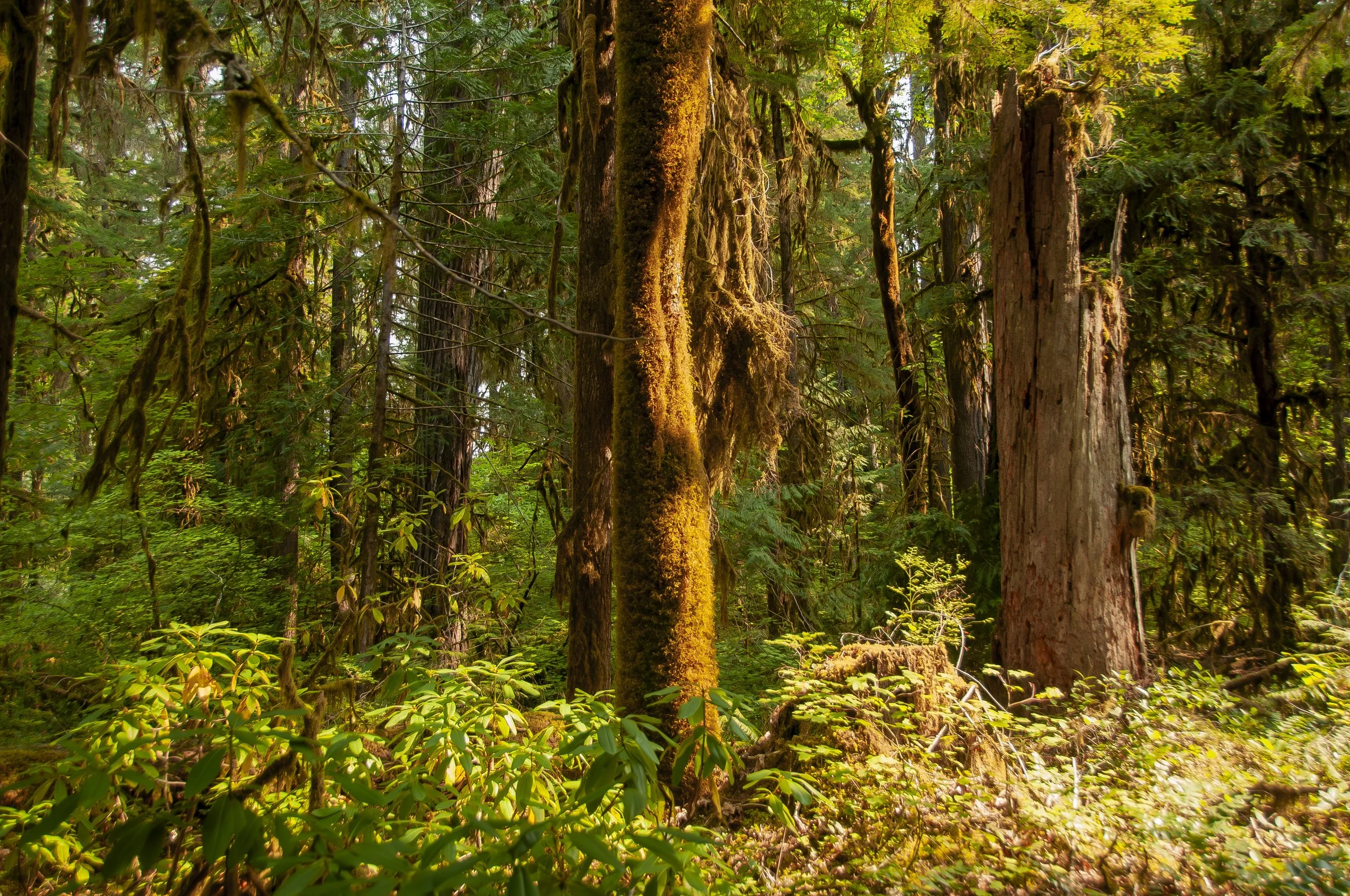
For many years, researchers and foresters saw logs as disruptive, therefore referring to them as deadwood— something to be disregarded and ignored. Mark explained that in the mid 1900s, forest managers thought logs clogged rivers, preventing aquatic life from continuing upstream. Even today, the single biggest change to North American rivers was the removal of logs as a way to develop river transportation. For nearly 70 years, rivers in the Pacific Northwest have been unnaturally without logs. Only now, forest managers are starting to see their benefit for sediment retention thus, choosing to revalue their presence.
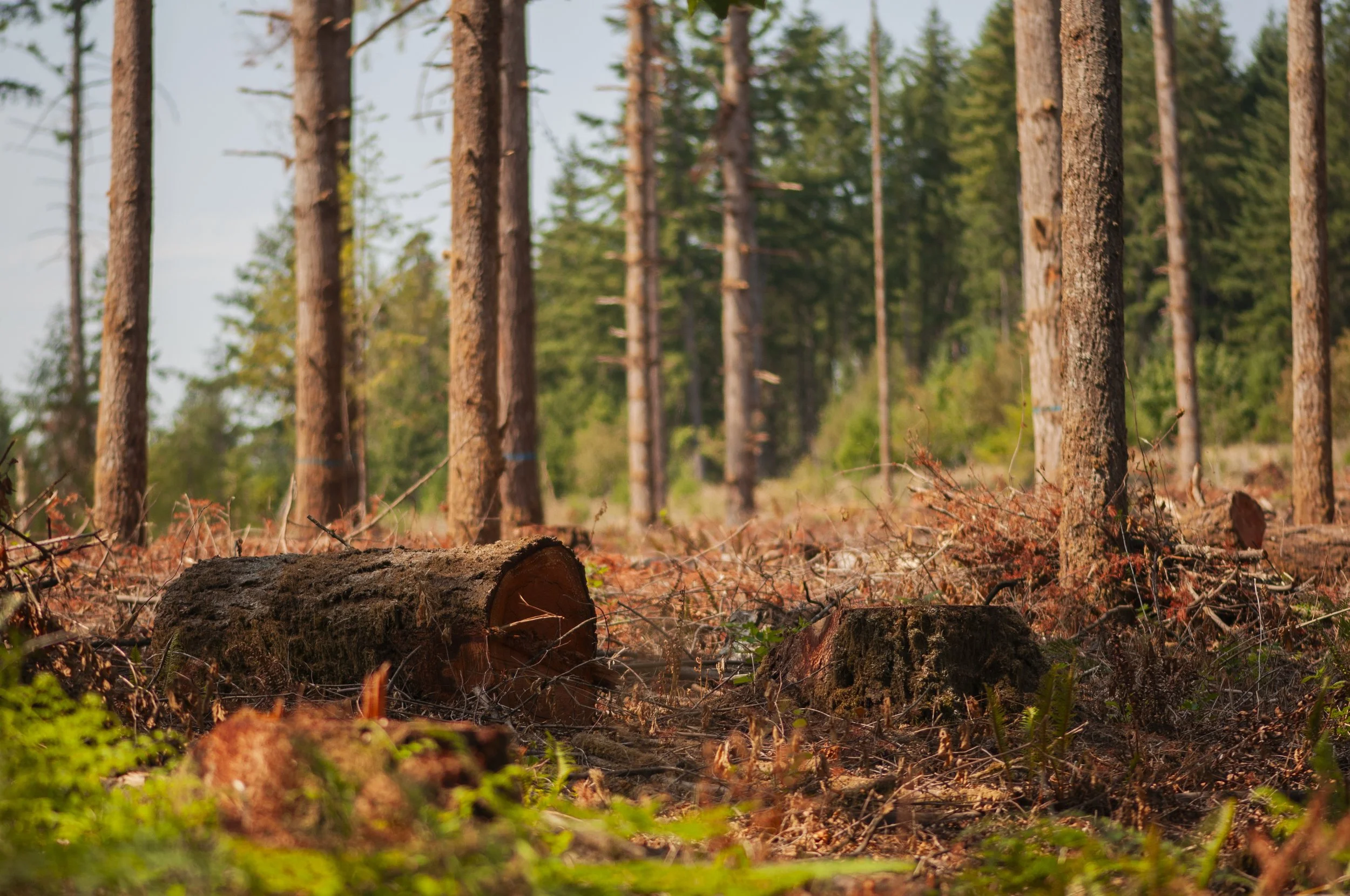
Similar to their removal from rivers, logs were taken from forests until research proved their importance. Mark explained to us that in forests, nurse logs create moist habitats for animals by providing a source of water, shade, and nutrients while protecting them from soil borne diseases. Even after timber harvesting, small mammals can survive in logs until the forest starts to regrow. Logs play a huge role in sequestering carbon and foster fungal life that create nutrient rich soils, ultimately helping create a healthy forest. It is highly important to protect these old growth forests where so many natural processes are working to help combat the impact humans have made on the natural world.
However, due to funding cuts, the existence of places like the Andrews Forest are at risk of disappearing. Not only does this affect their forests, but also forests around the country that rely on research from people like Mark. It helps shape how loggers choose to remove or keep logs from harvested areas, which in turn, determines the health of their soil. There is a need for research from places like the Andrews Forest, as it will help direct the future of forestry.
As I stand from my place of observation, my head swivels, connecting the dots of this forest. I see the log surrounded by ferns that brush the moss on the leaning yew. Every part of this forest, whether touching or not, is deeply connected. I feel myself below the enormous Douglas firs. I feel so small. I begin to understand that I am only one part of the growing world and only a guest in this forest. I realize how important every part of this ecosystem is to sustaining a healthy forest and planet. This ecosystem is built to survive on its own. Each piece, even a simple log, adds to the diverse web of life.