
As temperatures are shifting, populations are increasing, and the West is running out of water. Countless areas are experiencing historical levels of drought and we need to think more carefully than ever about how we use water. People's opinions on how this should be managed vary widely across the west, but one thing is for sure; We can’t keep operating in the ways that we have been. As we’ve moved across the West, the question has been asked countless times: “what exactly happens if we do run out of water?”, and the answer seems to be, well, we're not exactly sure but we’re probably looking at another dustbowl.
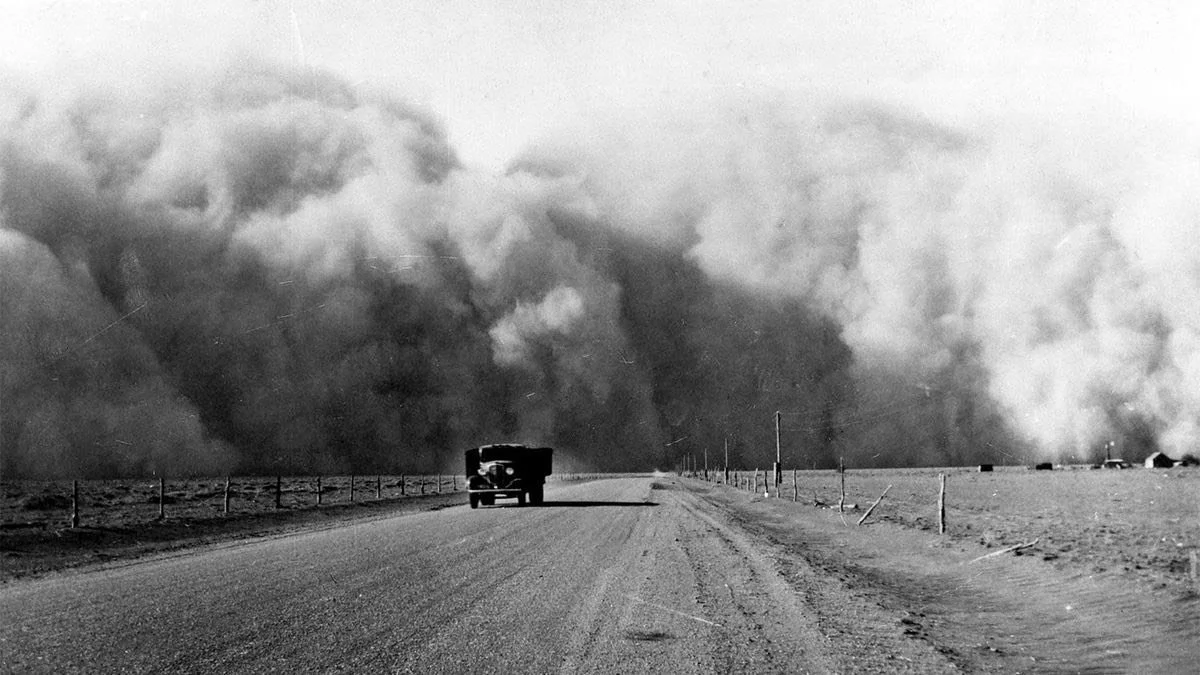
Countless times as we’ve moved across the West we heard word of the notorious event known as the dust bowl. Whether it be Don Worster's warnings of a mass exodus of the western United States, ala the okies in the early 30s, or Methow valley cattle rancher Deed Fink’s ominous words: “I just don’t want to leave you folks in a dust bowl”, the image of a calamitous second dust bowl swallowing up the west as we know it seems to be trailing us like cobwebs.
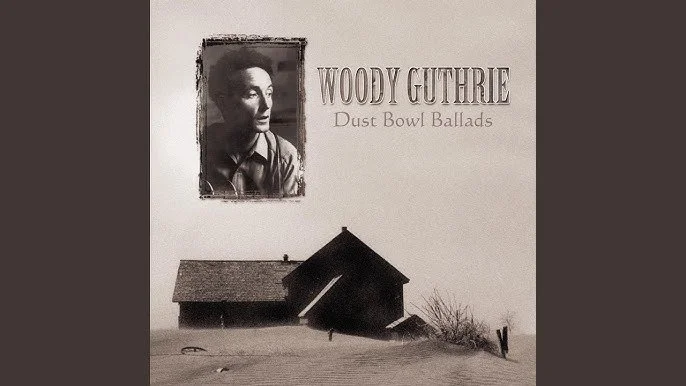
But what even is dust? Farmers tell us that when the soils they plant on aren't properly cared for, dust is what's left behind. Ranchers say dust is what's left behind when native plants are outcompeted or overgrazed. An air pollution specialist in Keeler (a town near Owens lake) told us that dust is fine particulate matter found in the air, and that it blows off the dry, toxic, saline, lakebed. Ryan Garret says standing at the shore of Mono lake, that in order for the lake to be considered healthy, the water level must rise to the height of the pole he holds in his hand (roughly ten feet above where the water is now.), and if the water level were to continue to drop, dust storms (an event already common on the eastern banks) would become more frequent, more devastating, and closer into the nearby town of lee vining. And Woody Gutheiry would say it’s taking his home. It paints quite a bleak picture doesn’t it?
Owens lake looks like it’s already there. From far away it appears to be a patch of tannish white, splotched on the otherwise brown and green of the land around, and from up close patches of mud, sand, and dust are gridded by LA Department of Water and Power (LADWP) roads used to implement dust mitigation measures. This is accomplished by growing saline resistant native plants on the dry plains, shallow flooding (the use of sprinklers spraying the dry lake bed), and laying gravel over the salt beds. When these methods prove unsuccessful, the result is large clouds of toxic dust blowing off the dry saline lakebed and polluting the air. As much as The LADWP assured us that their management of this ecosystem is the best in the field, and a stunning global example of how to manage toxic saline dust storms, they also told us quite confidently that they fully expect to be in active management of the area “forever”. They aren't even willing to front the faintest hope that in some far abstract future, Owens lake could be free of LADWP. And while it is important to acknowledge that the waters diverted from Owens Lake tributaries are doing so to provide water to the growing city of LA, it is still a hopelessly desolate sight.
As we sat perched on an outcropping of bedrock, after spending the day trekking through jeep trails and old mining roads led by co-director of SITW (our professor) Lyman Persico. He highlighted the vegetation surrounding us, and as the sun started to dip, he made one thing clear. In the Mojave, dust means life. About 175 miles southeast of Owens Lake, the Mojave desert could be on a whole new planet. The area is almost martian in terrain, red dirts, joshua trees, and yucca fill the canyons and flatlands near Nipton. These aren't the only things growing here too, creosote, and cholla, as well as a plethora of wild grasses. All of them growing from dusty, nutrient rich soils blown in, and accumulated on north facing hillsides. Without it, little would grow here.
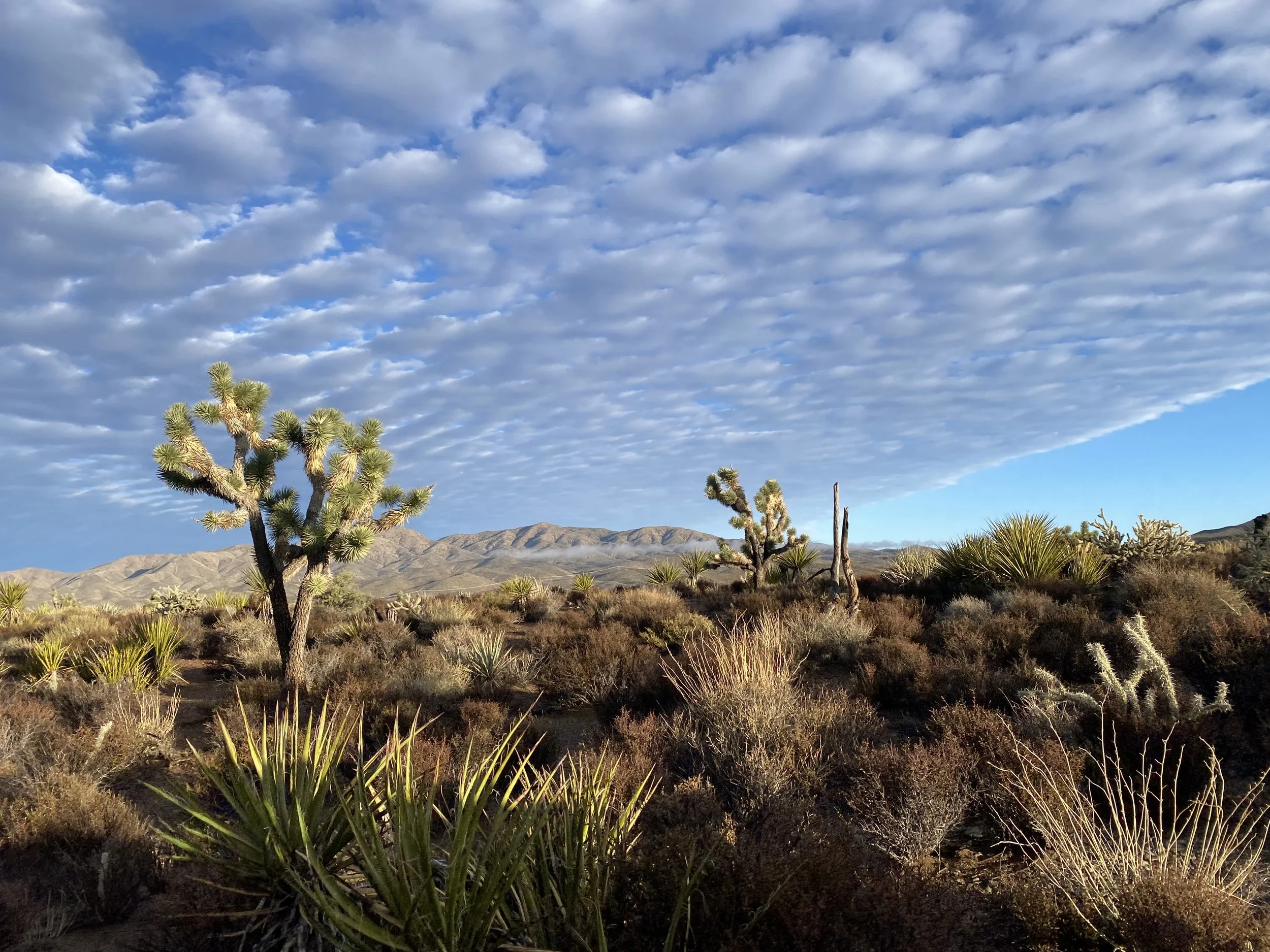
This writing is ultimately coming from a place of eco-anxiety that has built up for me over the last couple months. It is quite easy to ruminate on the feeling that we’ve screwed the world up past repair, as I am slowly convinced that we are quickly heading into another dustbowl with no real hope of avoidance. At the same time there is something oddly comforting in this dust found throughout. While sometimes physically representing ecological failures in terms of human involvement, outside of a human context, it can be the crux for life in a beautifully harsh environment.