I stroll down the sidewalk of Winthrop, Washington, enjoying ice cream with fellow Westies after a long day and a quick swim. There’s many other people enjoying the rustic western themed storefronts: families taking photos, couples visiting shops, kids running around. However, over the next few days as we talk with others in the community, their struggles become more apparent. In the last two decades, the Methow Valley has increased from around 8,000 to 12,000 people, with about 40 percent of the total population being part-time residents. This has created a demographic that gives the area a tourism feel that many, including ourselves, are enjoying.
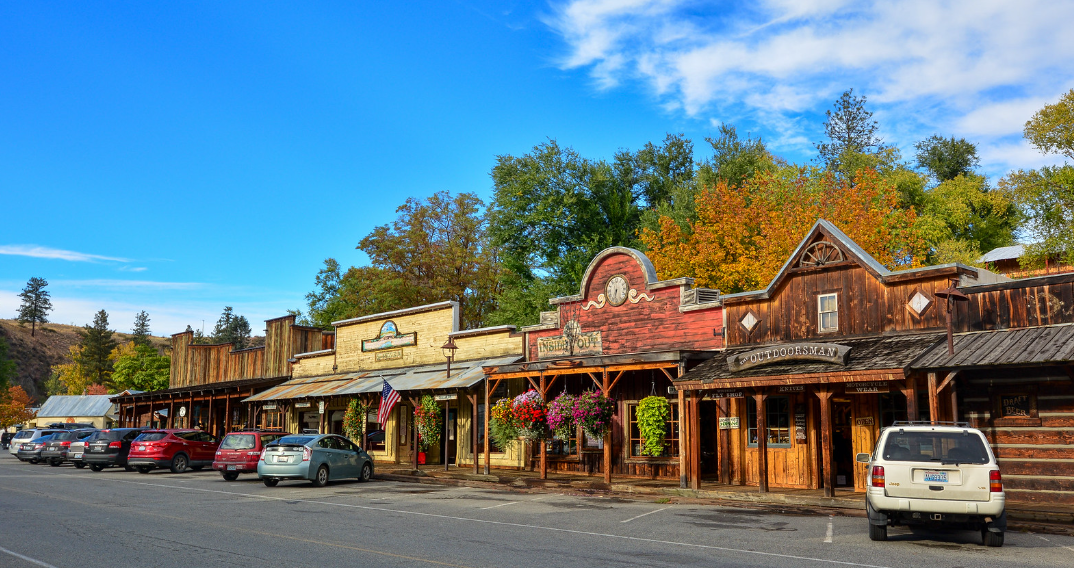
Historically a logging and ranching community, the Methow Valley has shifted to a tourism economy. Keeping up with the utopian western town look, it now supports nearly 500,000 visitors annually. With loss of the logging industry, an increase in tourism might sound like a positive because it provides another income opportunity. However, where logging once eliminated trees from the land, tourism economy and gentrification now deprives the valley of its community identity and affordability. Most of those experiencing these spaces are not invested in or rely on them full time, decreasing community building efforts and changing the lifestyle of small communities.
Deed Fink is a third generation rancher who lives in Twisp, within the Methow Valley. We meet with him in the town's grange, as Deed recounts when the area was an agriculture focused space with 350 residents. Things changed in 1972 when the Washington Pass scenic highway opened through the valley. This encouraged foot traffic and increased settlements by subdividing private agricultural land. With gentrification of agriculture property, Deed shares with us that public lands became the only available option for grazing - half of which is managed by Fish and Wildlife who don't sanction grazing, and the other half becoming less obtainable due to big cattle industry’s ability to outbid small ranchers like Deed for the land (Fink, 2025, 40:45).

By pushing out small agriculturists, economic shifts have altered the identity of western rural communities, creating retail and recreational work that relies on the irony of landscapes being beautiful and “untouched”, but then depending on value brought by people touching it. This tourism economy creates seasonal work with job shortages in the off season and unreliable income. Additionally, the industry creates incentive for the younger population who don't see a future working in store fronts to relocate to bigger urban locations where there's more opportunities. It shows multiple layers of instability while being the current economic driver of the area.
In Wallowa County Oregon, we met with Nils Christofersson, the executive director of Wallowa Resources. Hiking through the local Community Forest encountering cattle, horseback riding, and wildlife along the way, we learned that this space, similar to the Methow, has experienced the collapse of the local timber industry and an influx of tourism. In response, Wallowa Resources formed in 1996 to build a coalition between residents, Nez Perce people, and environmental organizations who were all concerned with this shift. Community driven goals to have salmon return to local waterways, increase public knowledge about the land's history and importance, and protect small businesses in the area initiated the effort to organize collaborative solutions. This helped them work towards their mission “to create strong economies and healthy landscapes through land stewardship, education, and job creation”. Working landscapes; lasting relationships in the community; education and economic development programs and more help demonstrate how ecosystem and economic stability are tied together. While tourism still plays a big role in Wallowa, through what Nils calls a stewardship economy the community aims to create structures that seek reciprocal care with people and the land.
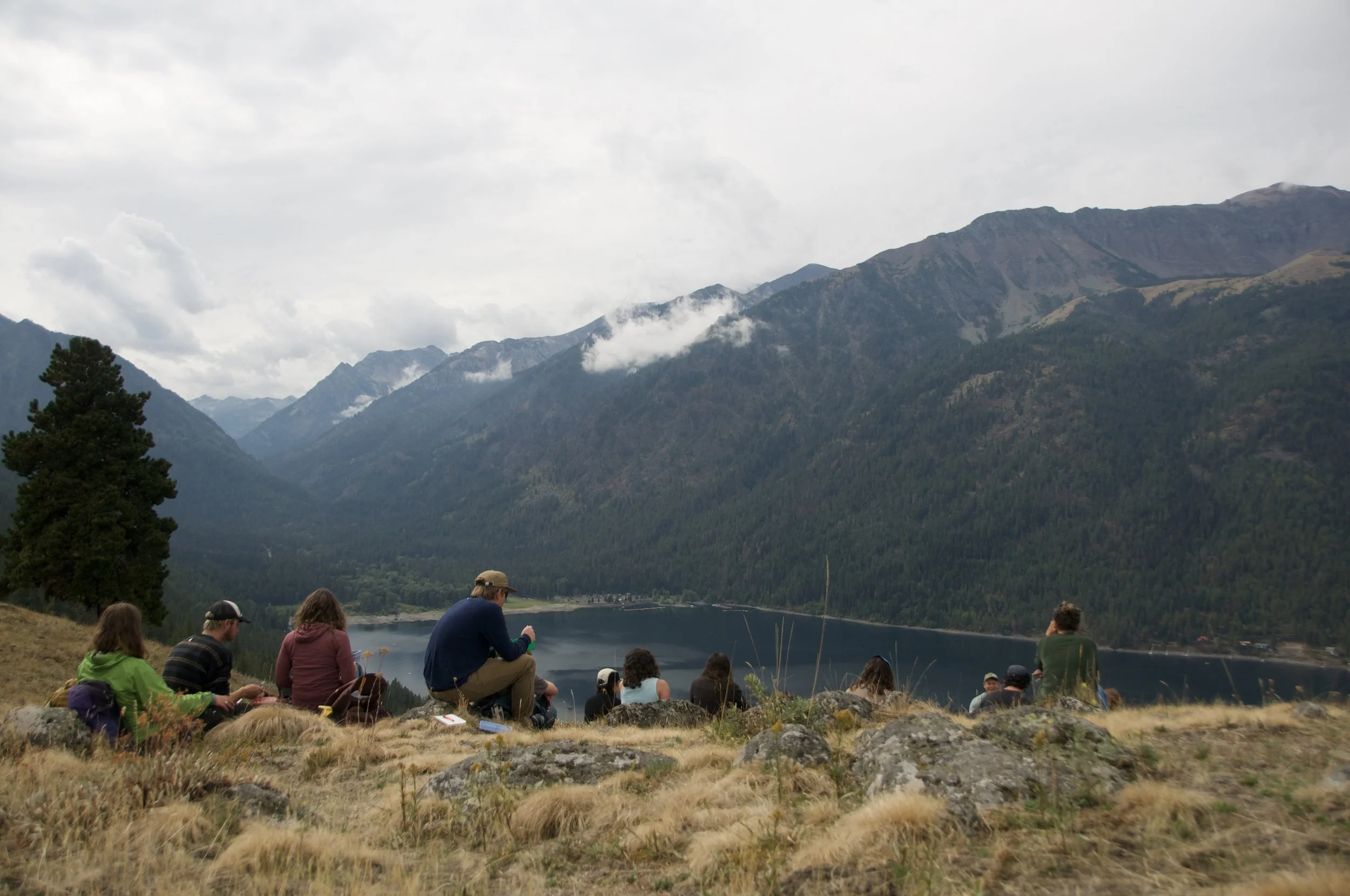
Can places be vested to a point of no return from reliance on tourism? Is there a way to shift economic opportunities as in Wallowa County to utilize reciprocity and build community? The double standard of tourism can be difficult to navigate. However, it's not going away. People are going to vacation or become part-time residents in order to extract certain experiences from places like Winthrop. Even so, it can’t be the economic focus in these rural areas because relying on the disposable income of outsiders doesn’t provide long term stability. Stronger collaboration that empowers communities to protect their region’s wellbeing and fosters opportunities for the people who inhabit the area is vital to stabilizing the longevity of ecosystems and building resilient communities.