
I scramble up a steep rocky hillside seeking out a peak of the Organ Mountains. Grabbing onto a small notch in the tan rock I pull myself over into an eroded wash, where masses of bright green plants flourish. Desert Columbine, Hairy Lipfern, and Cane Beardgrass fill this place, savoring the occasional rains that run through, and the precious patches of shade that the ravine provides from the blazing New Mexico sun. One plant, growing fully exposed on the rockier face seems not to have survived the harsh dry landscape, its leaves have dried, curling in on themselves to form a tight ball. Looking closer however, I can make out lingering signs of life, the plant has retained a bit of green deep in the curled inner leaves. The Resurrection Plant, False Rose of Jericho, or Selaginella Lepidophylla, is a plant native to the Chihuahuan Desert. This remarkable plant has adapted to the desert environment in fascinating ways. In times of drought the Resurrection Plant will dry and curl inward, losing up to 95% of its mass without sustaining damage. If need be, the roots will detach, allowing the plant to blow in the wind until it finds a new water source. When water returns, the Resurrection Plant’s leaves will unfurl, regain their green color, and within a few hours the plant can restart its metabolic activity. There are many plants in this region that, like the Resurrection Plant, have adapted to live in this dry environment. The Ocotillo Plant which in times of drought can shed all its leaves and photosynthesise through its waxy green stalks, then regrow its leaves within a few days, the Creosote Bush with its deep tap roots that allow the plant to access underground water reserves and small waxy leaves that prevent it from losing water, or the Joshua tree that can store water in their trunk and branches spongy tissue.
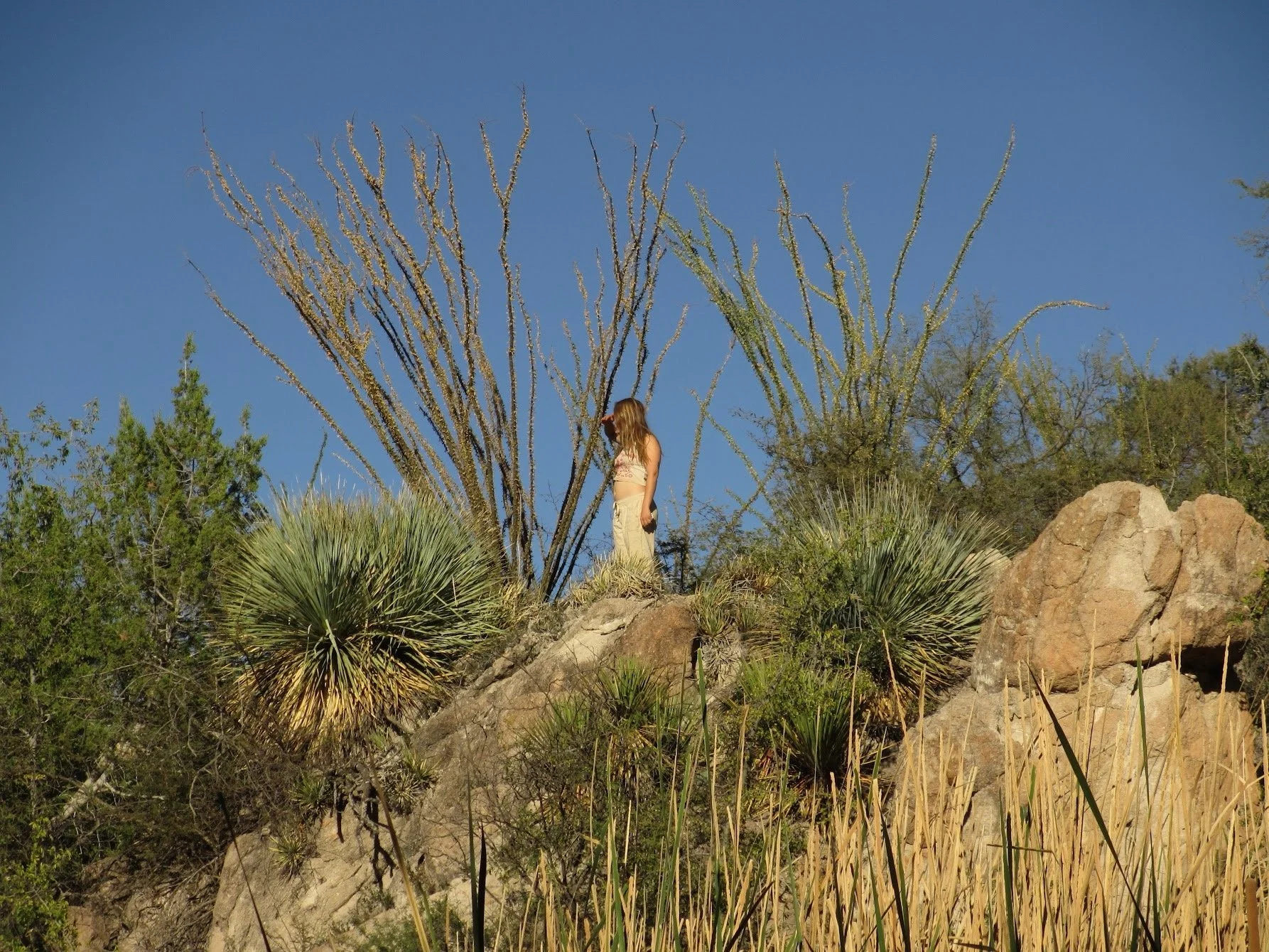
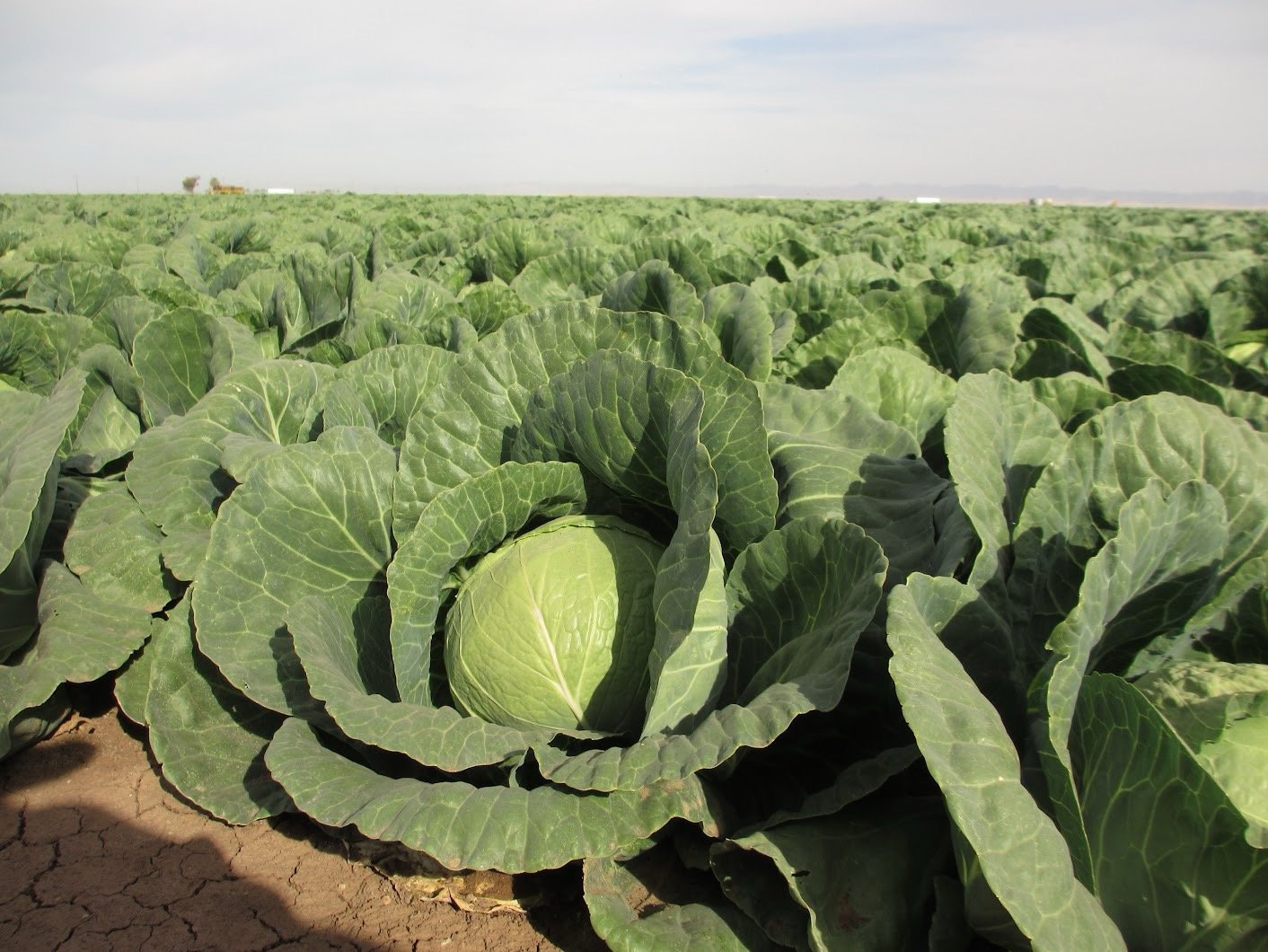
The plants of the Desert Southwest, like all native plants, know their land. They know the land like they know their own bodies, they have evolved specifically to live right here. The dry sandy soil, scorching sun and rare water, are all familiar friends that they have grown side by side with. These plants have learned to live within the confines of locally available resources because life for them is possible only in this way. When settler societies came to the desert regions of the American West however, we formed no such adaptations. Our adaptations were not ones of careful and comprehensive understanding of the landscape, but rather of extraction and domination. We planted cabbages in the desert of the Imperial Valley and brought water to them through vast highly regulated networks of irrigation canals and dams. Our nation now relies on these crops for two thirds of our winter vegetables and vast amounts of animal feed. This phenomenon however is not limited to this region. We have built an empire on this unadapted model, on the illusion that continued expansion, development and domination would be enough to protect us from our own devastation of the land. Yet in a rapidly changing climate and a rapidly drying American West these systems are being pushed to the brink of collapse.
Just outside the small desert town of Patagonia, Arizona, as the sun beams down over our heads and mesquite trees shiver their leaves in the breeze we meet Kate Tirion, a local environmentalist and co-founder of the Borderlands Restoration Network. Kate tells us about a way of living that sets itself up in fundamental opposition to the conventional ways around which we’ve structured our agricultural and industrial systems. She explains that the guiding principle of this methodology is “long and thoughtful observation in lieu of mindless labor”.
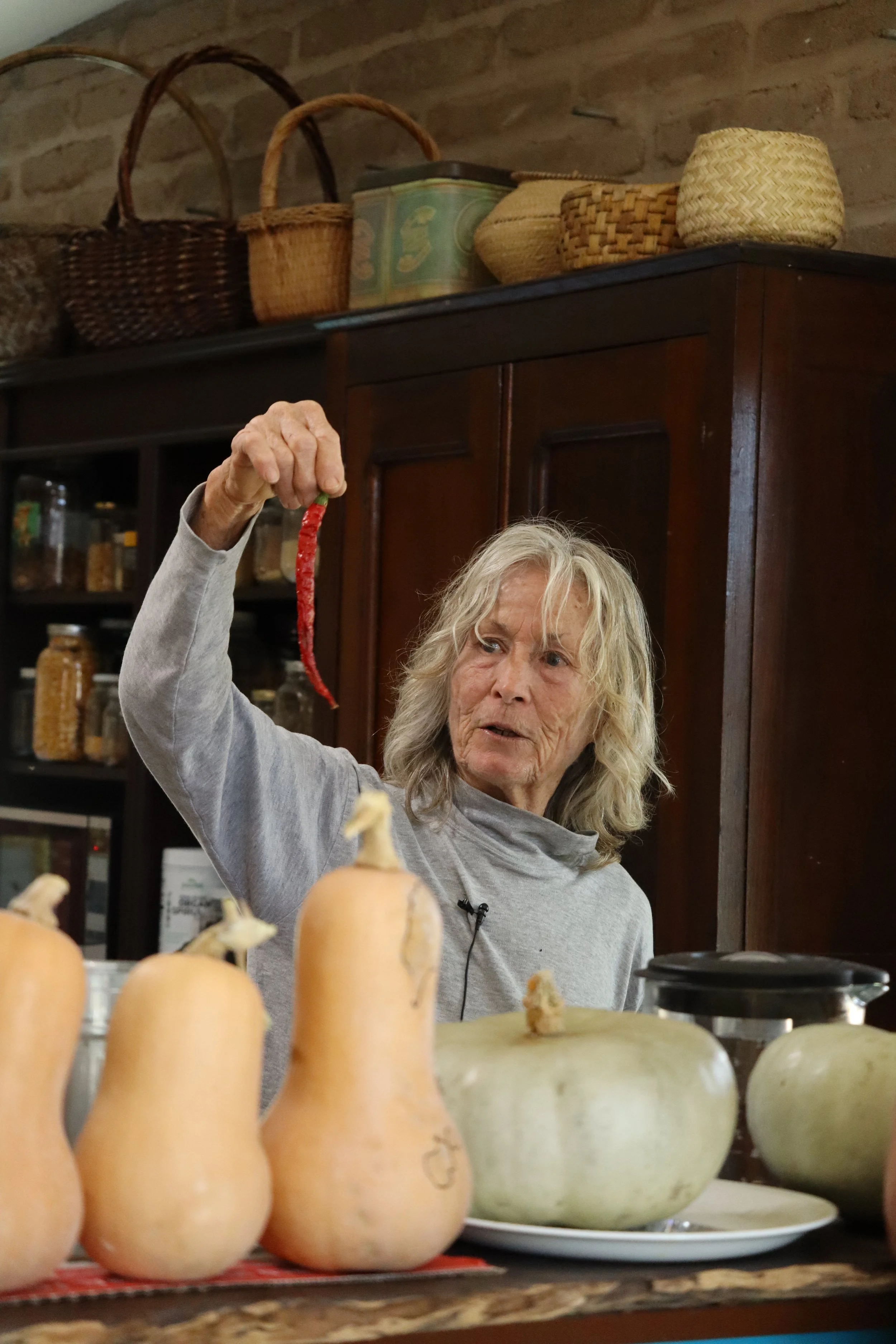
Everything she does, any impact she makes on the land is in alignment with this principle. She tells us that when she decided to put a road through her land, she spent months walking it. She learnt to understand the soil, the plants, the slope of the hillsides and the way water and animals moved across the land so that when the road was built it would have as minimal an impact as possible. Like the plants of the Desert Southwest, Kate has adapted to her landscape. While her precise model may not work in every context, adaptation of our human societies in this mindful and purposeful way is possible and rapidly becoming a necessity. We need to learn to hear our landscape, halt our unsustainable expansion and extraction, and think critically about what it is we really need to live. Kate urges us to slow down, to learn the land, to take time to form community, to share knowledge and resources, to laugh often, to “french kiss more and eat less processed foods”. It is the haste of our day to day lives that has prevented us from learning to adapt to the confines of our environment. It is this rush that holds us back from imagining the possibility of something new.